The Finishing Pieces
Shoes, bags, jewelry, and details that make simple outfits feel intentional.
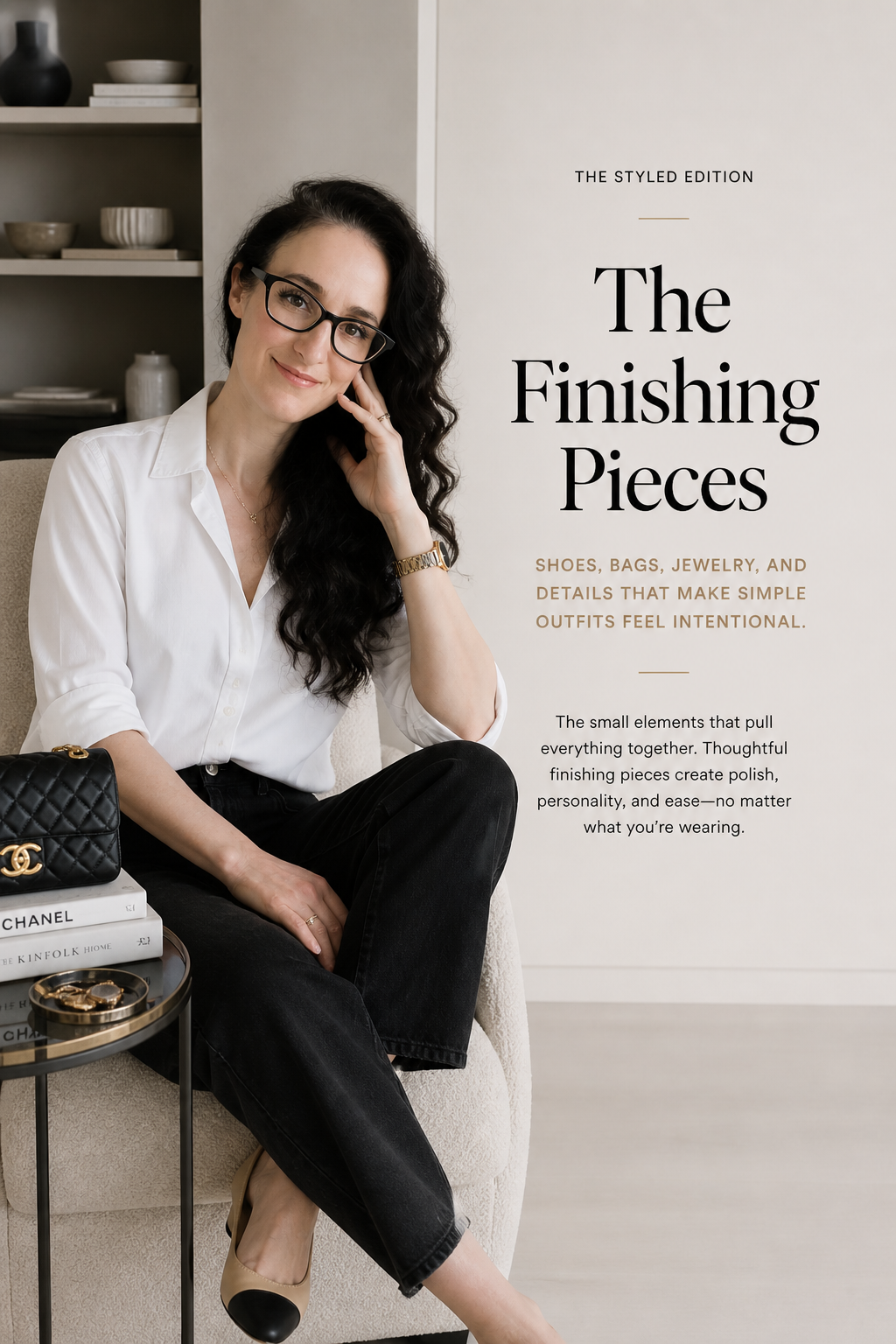
The Finishing Pieces is where a wardrobe starts to feel complete.
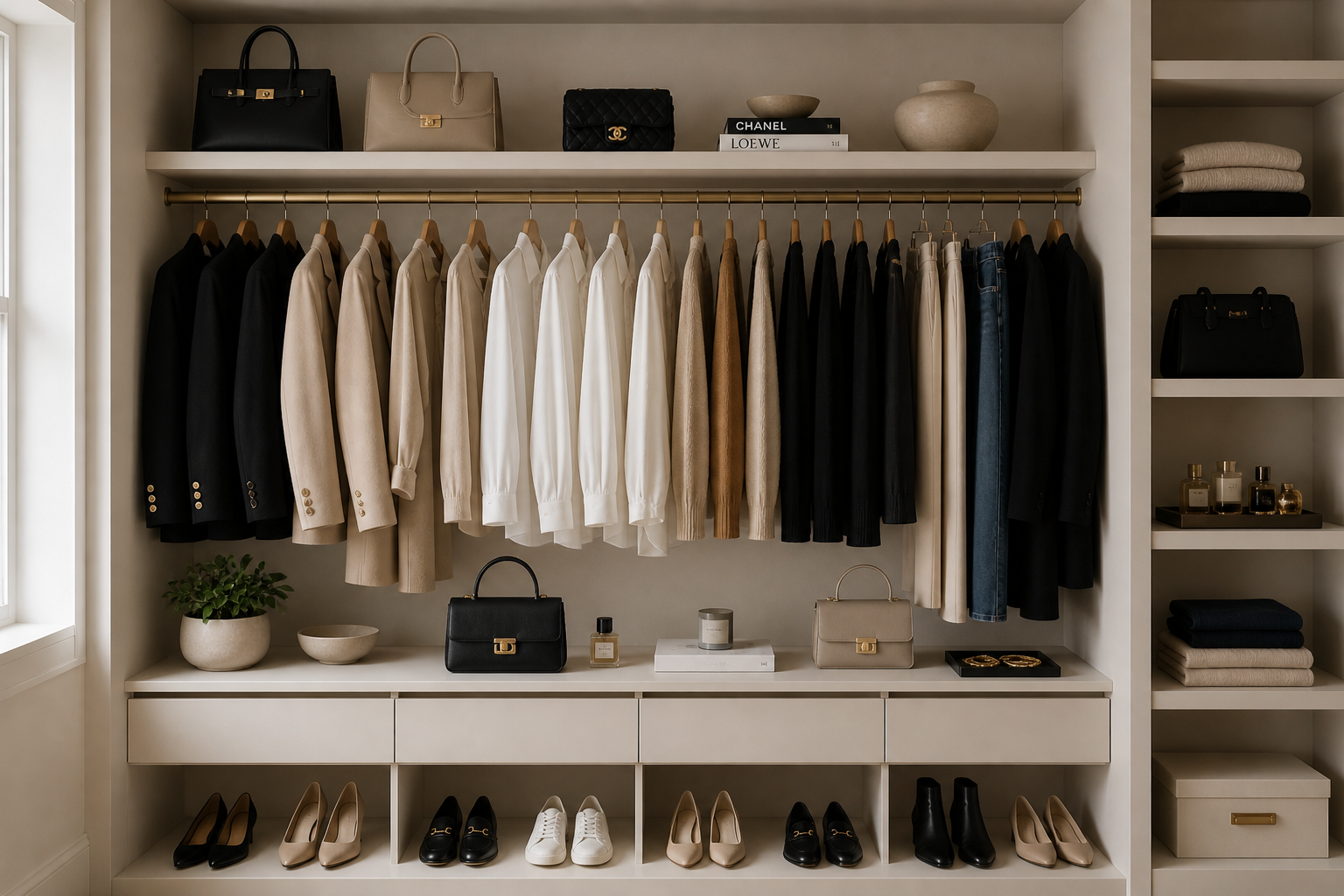
This is not about adding more clothing for the sake of it; it is about understanding which small elements change how everything else looks.
Most wardrobes are not as far off as they feel. Often, the difference between “fine” and “polished” is not a completely new outfit. It is the shoe, the bag, the belt, the layer, or the subtle detail that brings everything together.
A well-chosen finishing piece can instantly shift an outfit's tone. It can elevate basics, simplify decision-making, and create a sense of consistency across everything you wear.
This is where refinement happens.
What are finishing pieces?
Finishing pieces are the elements that complete an outfit. They are not always the most noticeable items, but they are often the most impactful.
They include:
shoes
bags
belts
jewelry
outerwear
sunglasses
scarves
watches
small styling details
These pieces help shape an outfit's overall impression. They influence whether something feels polished, relaxed, intentional, or unfinished.
Why finishing pieces matter
A simple outfit can look entirely different depending on how it is finished.
A white shirt and jeans can feel:
casual and forgettable
clean and minimal
polished and intentional
slightly elevated
The difference is rarely the shirt or the jeans. It is everything around them.
A structured bag creates a sophisticated look.
A better shoe changes the proportion.
A belt adds intention.
A jacket gives shape.
Jewelry adds identity.
Finishing pieces are powerful because they work with what you already own. You do not need to rebuild your wardrobe to see a shift. You need to refine how it comes together.
The most impactful finishing pieces to upgrade first
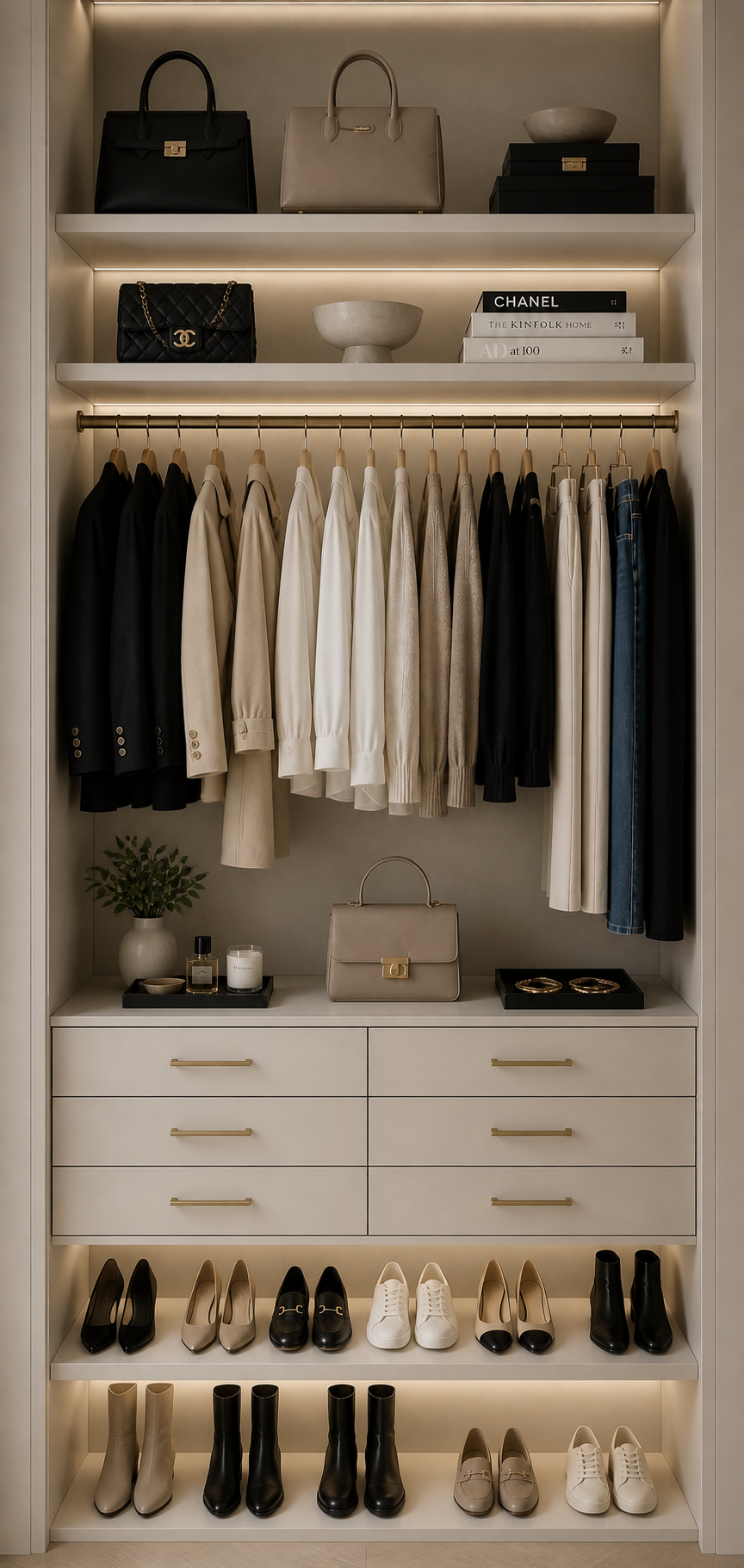
If your wardrobe feels close but not quite right, start here.
1. Shoes
Shoes often determine the overall tone of an outfit. They affect proportion, silhouette, and the polished feel of something. A better everyday shoe can instantly improve multiple outfits.
Focus on:
a polished flat or loafer
a simple, clean sneaker
a low heel or slingback
an ankle boot that works across seasons
The goal is not variety. It is reliability and a reflection of your personal style.
2. Bags
An everyday bag should support your life, but it should also support your style. A well-structured bag can make even the simplest outfit feel more intentional. It helps define your overall look.
Focus on:
a neutral everyday tote or shoulder bag
a smaller structured option for more polished settings
clean lines and minimal hardware
Your bag is one of the most visible elements of your outfit. It should feel aligned with how you want to show up.
3. Jewelry
Jewelry does not need to be dramatic to be effective. Small, consistent pieces often create more impact than statement pieces worn occasionally.
Focus on:
simple hoops or studs
a chain or pendant
a watch or cuff
a few rings you wear often
Jewelry becomes part of your signature. It adds identity without requiring effort.
4. Belts
Belts are often overlooked, but they can change proportion and make outfits feel more finished.
They help:
define the waist
break up an outfit visually
create structure with denim or trousers
A simple leather belt in a neutral tone is often enough.
5. Outer layers
Blazers, coats, and jackets are some of the most transformative pieces in a wardrobe.
They:
create structure
add polish
change the silhouette
complete an outfit
A good outer layer can make even the simplest combination feel intentional.
How to choose finishing pieces
Before adding anything new, ask:
Does this improve the outfits I already wear?
Can I use this at least three different ways?
Does it support the way I want to feel?
Does it match the level of polish I’m aiming for?
If the answer is yes, it is likely worth considering.
If it only works with one outfit or feels disconnected from the rest of your wardrobe, it may not be the right piece.
Common mistakes to avoid
Many finishing pieces go unused because they were chosen without context.
Avoid:
buying shoes that do not work with your actual outfits
choosing bags that feel right in isolation but not with your wardrobe
collecting accessories that do not align with your overall style
prioritizing trends over function
overcomplicating simple outfits with too many elements
Refinement comes from knowing what works, not accumulation.
The role of finishing pieces in a refined wardrobe
A refined wardrobe is not defined by how many clothes you own. It is defined by how well everything works together. Finishing pieces help create that cohesion.
They allow you to:
repeat outfits without feeling repetitive
get dressed faster
make simple combinations feel complete
create a consistent point of view
shift your look without overhauling your wardrobe
They are the difference between having clothes and having a wardrobe that works.
Explore curated shoes, bags, jewelry, and accessories selected to make everyday outfits feel more polished and intentional.
Frequently Asked Questions
What are finishing pieces in a wardrobe?
Finishing pieces are items like shoes, bags, jewelry, belts, and outerwear that complete an outfit and make it feel more polished and intentional.
What finishing piece should I buy first?
Start with the category you wear most often. For many women, upgrading an everyday shoe, bag, or outer layer creates the biggest impact.
Can accessories really change how an outfit looks?
Yes. Accessories and finishing pieces can shift the tone, proportion, and overall impression of an outfit without changing the core clothing.
How do I choose the right accessories for my style?
Choose pieces that work with multiple outfits, match your level of polish, and feel consistent with your overall style direction.
Do I need a lot of accessories to look polished?
No. A small number of well-chosen finishing pieces is more effective than a large collection of items that are rarely worn.
Why do my outfits feel unfinished?
Outfits often feel unfinished when they lack structure, proportion, or a clear focal point — which finishing pieces help provide.
How do I make simple outfits look more polished?
Focus on fit, add one intentional finishing piece, and choose shoes or outerwear that create structure and balance.
What’s the difference between styling and finishing an outfit?
Styling is the overall combination of pieces, while finishing is the final layer that makes the outfit feel complete and intentional.