When everything is curated, recommended, and available instantly, developing an identifiable style has become its own luxury.
There was a time when discovering something interesting required a little effort. You wandered into a bookstore without knowing what you wanted, found a designer through a magazine you hadn’t intended to buy, or visited a gallery because someone mentioned an exhibition over dinner. Those discoveries often felt more meaningful because they weren’t entirely planned. You encountered something unfamiliar, became curious, and decided for yourself whether it deserved a place in your life.
Today, practically everything arrives as a recommendation. There’s the restaurant you should try, the handbag you supposedly need, the skincare ingredient everyone is discussing, and the television series you’re already behind on, even though it premiered three days ago. Social media, shopping platforms, newsletters, and algorithms have made discovery extraordinarily convenient, but they’ve also created an environment where we’re constantly told what deserves our attention.
I appreciate having access to so many ideas, particularly when they introduce me to designers, writers, artists, and independent brands I might otherwise overlook. Still, the abundance of information has made me more conscious of the difference between discovering something and being persuaded to want it. The more recommendations we encounter, the more valuable it becomes to build confidence in our own preferences and recognize what genuinely interests us.
Style Is More Than Knowing What’s Trending
Being informed about fashion, design, art, or culture doesn’t require participating in every movement. You can appreciate a new silhouette without purchasing it, admire a beautiful interior without redesigning your living room, or understand why a particular beauty product has attracted attention without deciding it belongs on your bathroom shelf. Awareness and enthusiasm aren't the same as personal taste, and I think we’ve grown accustomed to treating them as interchangeable.
Style develops gradually through exposure, experimentation, and the occasional disappointing purchase. The painting you admired online may look entirely different in person, while the expensive jacket that seemed perfect in photographs may never feel quite right once you put it on. A critically acclaimed novel might leave you cold, while an obscure book discovered by accident becomes something you recommend for years. These experiences help us understand our preferences rather than repeat someone else’s.
There’s also something appealing about the freedom to change your mind. I don’t believe having a distinct point of view means committing permanently to one aesthetic or set of interests. Personal taste and style should evolve as we do, reflecting the places we’ve visited, the people we’ve met, and the experiences that have influenced us. The goal isn’t to become predictable. It’s to become more discerning.
Rediscovering the Pleasure of Curiosity
One thing I enjoy about independent publications, smaller boutiques, and specialized creative communities is their ability to introduce readers to subjects outside the usual recommendation cycle. A thoughtful essay about an unfamiliar artist can be more memorable than another list of trending purchases, and a beautifully made object from a relatively unknown designer can feel more compelling than the season’s most recognizable accessory.
The distinction often comes down to perspective. When someone explains why an object, idea, or experience matters to them, the recommendation becomes more interesting, even if you ultimately decide it isn’t for you. There is a difference between being told something is popular and understanding what makes it distinctive. The latter invites curiosity rather than demanding agreement.
I also think we’ve become too quick to turn every interest into a transaction. Visiting an exhibition doesn’t require buying a print, and admiring a beautifully designed chair doesn’t mean you need to replace the one in your living room. Sometimes the pleasure lies entirely in looking, learning, and developing a deeper appreciation for something unfamiliar.
Curating a Life Rather Than Collecting Things
The idea of curation has expanded well beyond fashion and interiors. We curate our reading lists, our calendars, the information we consume, and even the way we spend our free time. Every choice involves deciding what deserves space, attention, and sometimes money. As I’ve become more selective about my commitments, I’ve started applying the same thinking to the objects and experiences I bring into my life.
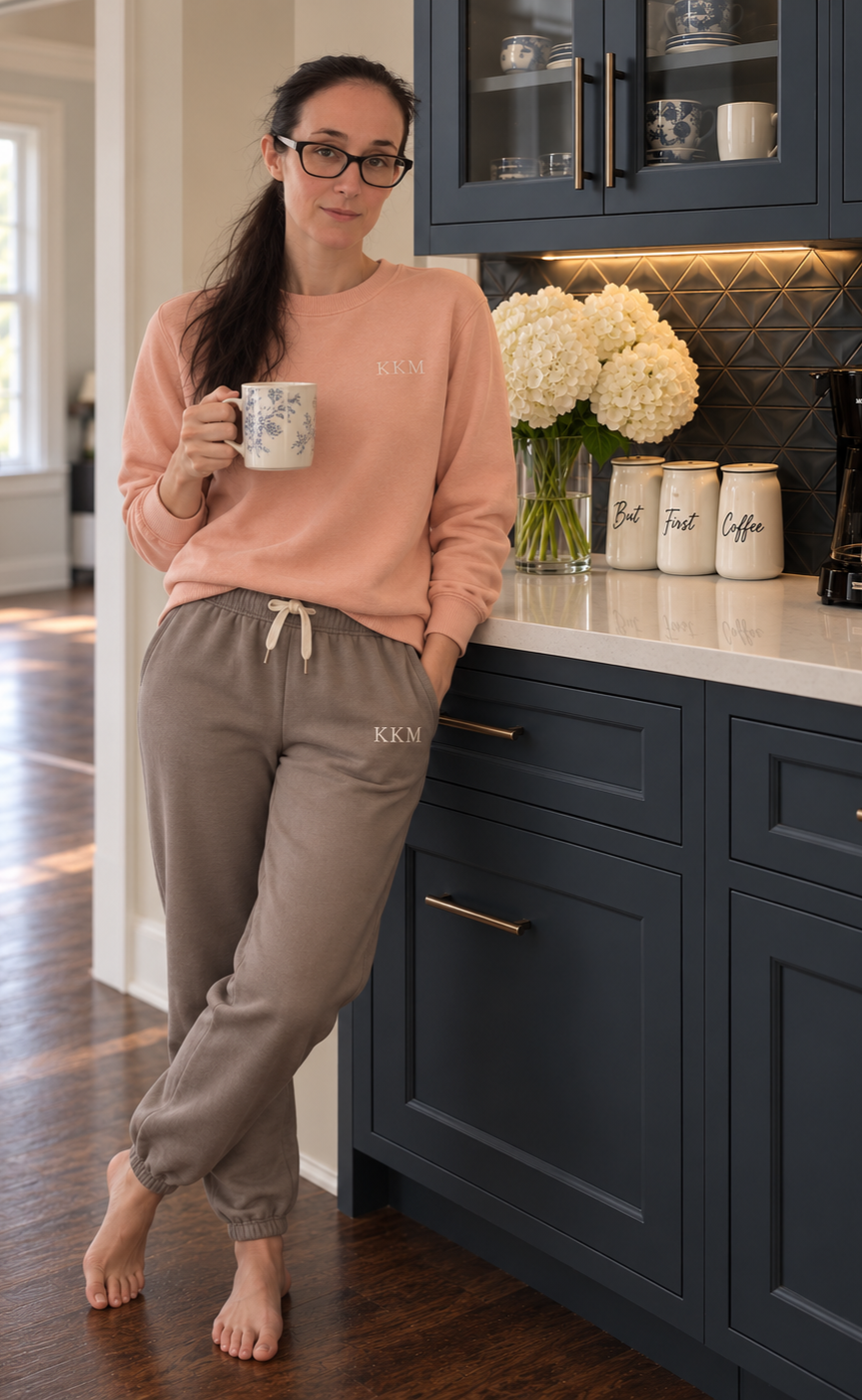
That philosophy also informs KKM. The new Shop KKM is a natural extension of the publication’s editorial perspective, bringing together personal recommendations and discoveries across fashion, beauty, home, and lifestyle. I wanted a place where readers could explore things I find interesting without turning every article into a shopping guide. The shop exists alongside the stories, not in place of them, because I believe the conversation surrounding an object can be just as interesting as the object itself.
Ultimately, the most appealing thing about developing personal taste is that it doesn’t need universal approval. You can prefer an old restaurant to the newest reservation in town, wear the same beautifully tailored trousers repeatedly, or enjoy a fragrance that nobody else seems to recognize. You don’t have to justify every preference or participate in every trend. In a culture of endless choices, knowing what to leave behind may be one of the most useful skills we can develop.